Legacy Art: Connecting Communities Through Augmented Reality
Exploring Legacy Art Through Augmented Reality
In today's digital age, art is transforming in ways that bridge the gap between the past and the future. One of the most innovative ways this is happening is through the use of augmented reality (AR). By integrating AR with legacy art, communities have the unique opportunity to engage with cultural heritage in a dynamic and interactive manner.
Legacy art refers to artworks that have historical, cultural, or social significance. These pieces often tell stories of the past and hold great importance for communities worldwide. Augmented reality offers a fresh perspective on these works, allowing viewers to interact with them in ways that were previously unimaginable.
The Power of Augmented Reality in Art
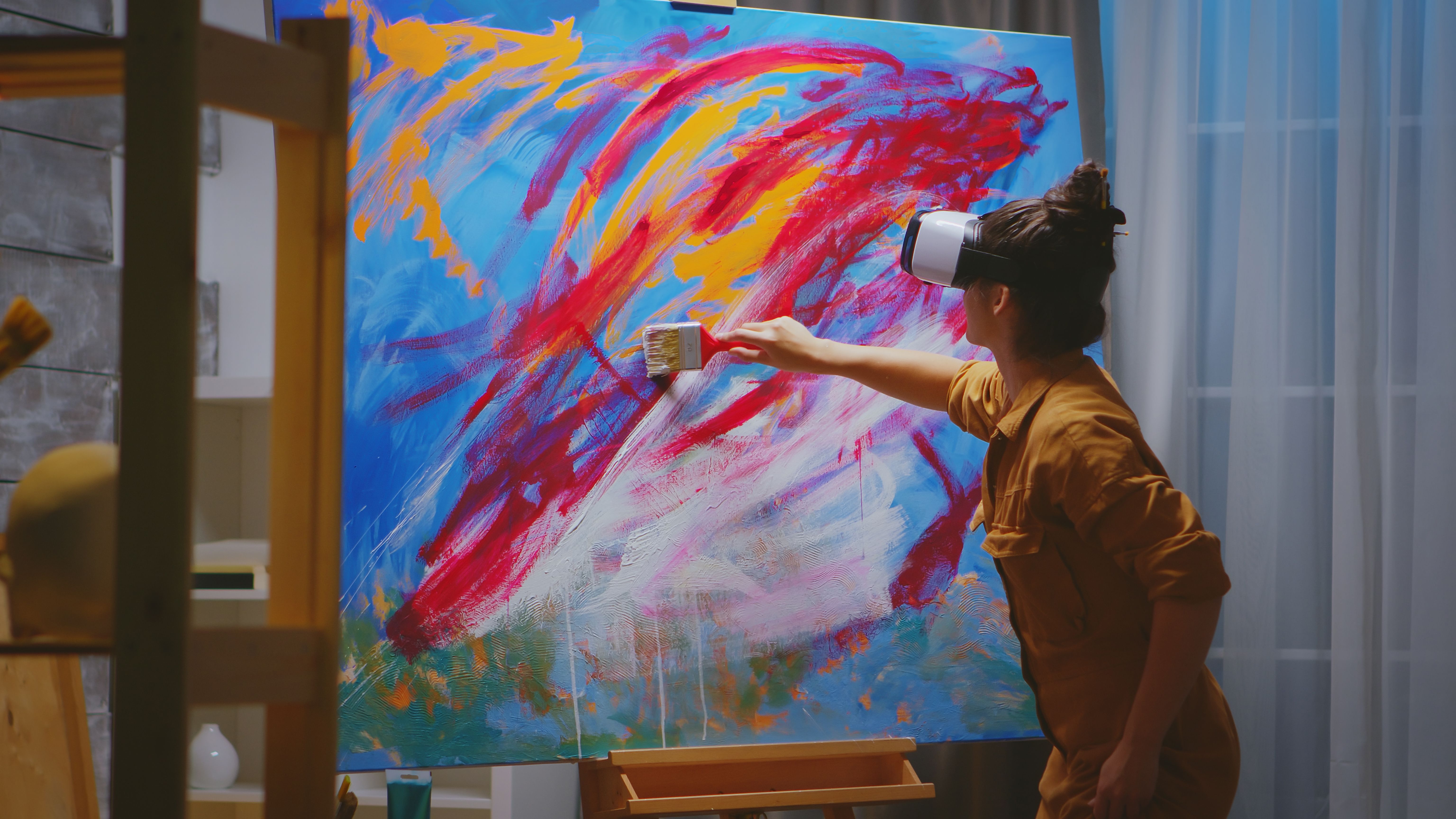
Augmented reality technology overlays digital content onto the physical world, enhancing the viewer's experience. In the context of legacy art, AR can provide additional layers of information, such as historical context, artist commentary, or interactive elements that bring the artwork to life. This immersive experience not only enhances appreciation but also deepens understanding.
For example, museums are increasingly using AR to create interactive exhibits. Visitors can point their smartphones or tablets at a painting and instantly access multimedia content, including videos, audio guides, and 3D models. This transformative approach makes art more accessible and engaging for people of all ages.
Connecting Communities Through Shared Experiences
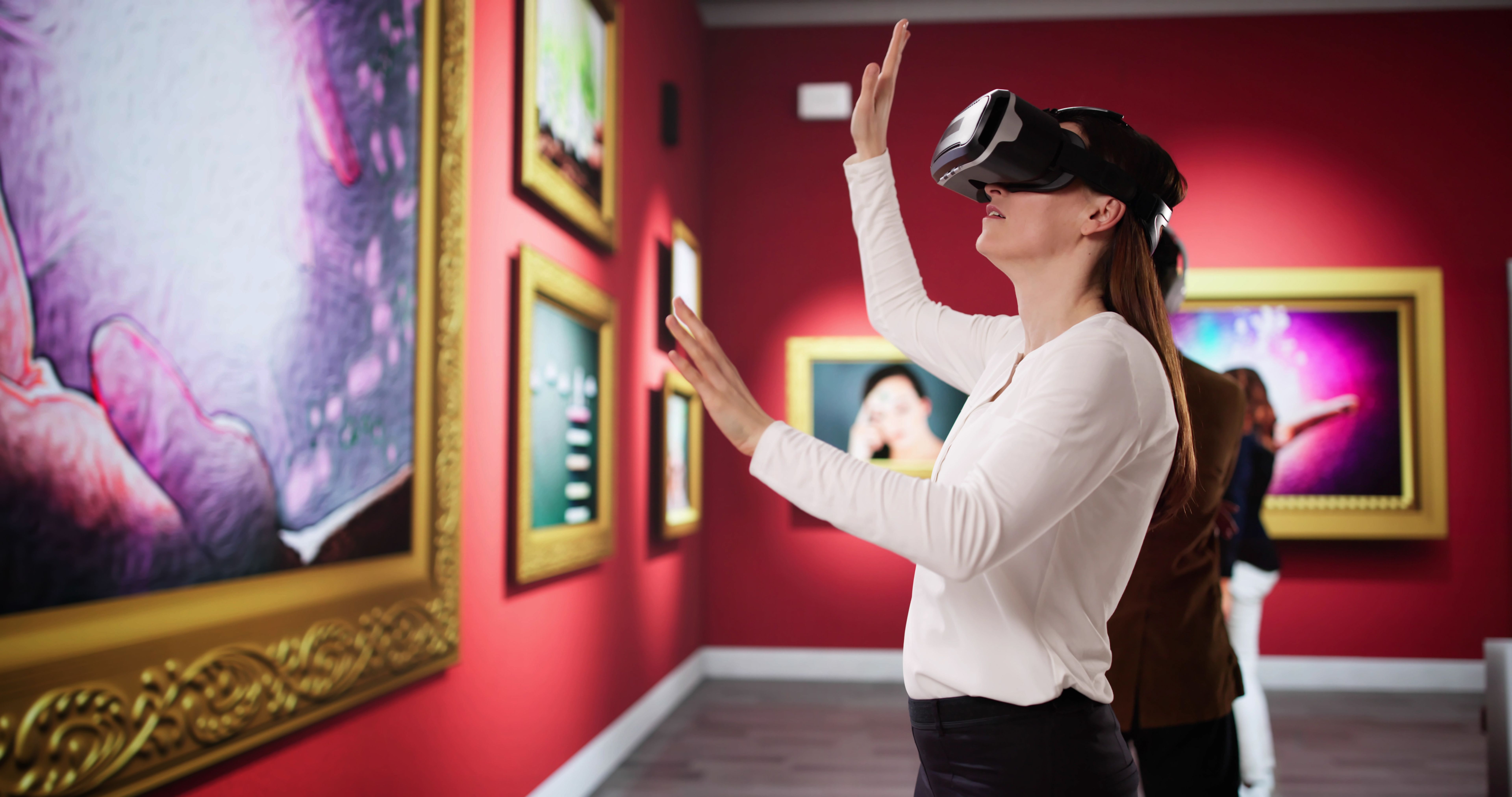
One of the most significant benefits of integrating AR with legacy art is its ability to connect communities. By providing a shared experience, AR fosters conversations and strengthens cultural ties. Community members can explore their heritage together, igniting discussions and inspiring new interpretations of traditional artworks.
Additionally, AR can make legacy art more inclusive. By offering translations, sign language options, and customizable content, AR ensures that everyone, regardless of language or ability, can enjoy and learn from these cultural treasures.

Future Possibilities and Innovations
The potential for augmented reality in the realm of legacy art is vast. As technology continues to evolve, so too will the ways in which communities can interact with their cultural heritage. Future innovations may include virtual reality tours, enhanced personalization features, and even AI-driven insights that offer new perspectives on historical artworks.
Educational institutions are also exploring the use of AR to teach students about art history in engaging and interactive ways. By bringing legacy art into classrooms, educators can inspire a new generation to appreciate and preserve their cultural heritage.
Embracing a New Era of Art Appreciation
As we continue to embrace augmented reality and its applications in the art world, we are witnessing a new era of art appreciation. Legacy art, when combined with cutting-edge technology, becomes a living, breathing entity that evolves with each viewer's interaction.
In conclusion, the integration of augmented reality with legacy art is not just a technological advancement; it is a cultural revolution. By connecting communities and enriching our understanding of the past, AR is paving the way for a future where art is more accessible, inclusive, and engaging than ever before.