The Technology Behind 'Legacy Art': Innovations in AR Gaming
The Rise of Augmented Reality in Gaming
The world of gaming is constantly evolving, and one of the most exciting developments is the integration of Augmented Reality (AR). AR has transformed how players interact with games, merging the digital and physical worlds to create immersive experiences. A prime example of this innovation is the game 'Legacy Art', which leverages cutting-edge AR technology to deliver a unique gaming experience.
In 'Legacy Art', players embark on a journey through a virtual art world that overlays onto their real environment. This blend of digital and real-world elements creates an interactive canvas where players can explore, create, and compete. The game’s success is largely due to its sophisticated AR technology, which provides seamless integration and a highly engaging user experience.

Core Technologies Driving 'Legacy Art'
'Legacy Art' utilizes several core technologies to enhance gameplay. The game’s foundation is built on advanced image recognition and tracking software, which allows it to accurately map digital elements onto the physical surroundings. This technology ensures that the virtual art pieces are precisely positioned, enhancing the player's sense of immersion.
Moreover, the game employs real-time rendering techniques to create lifelike visuals that respond dynamically to the player's movements. This involves complex algorithms that adjust lighting, shadows, and textures to maintain a consistent and realistic appearance. These advancements are crucial for maintaining the illusion that digital objects are part of the real world.
Innovative Features of 'Legacy Art'
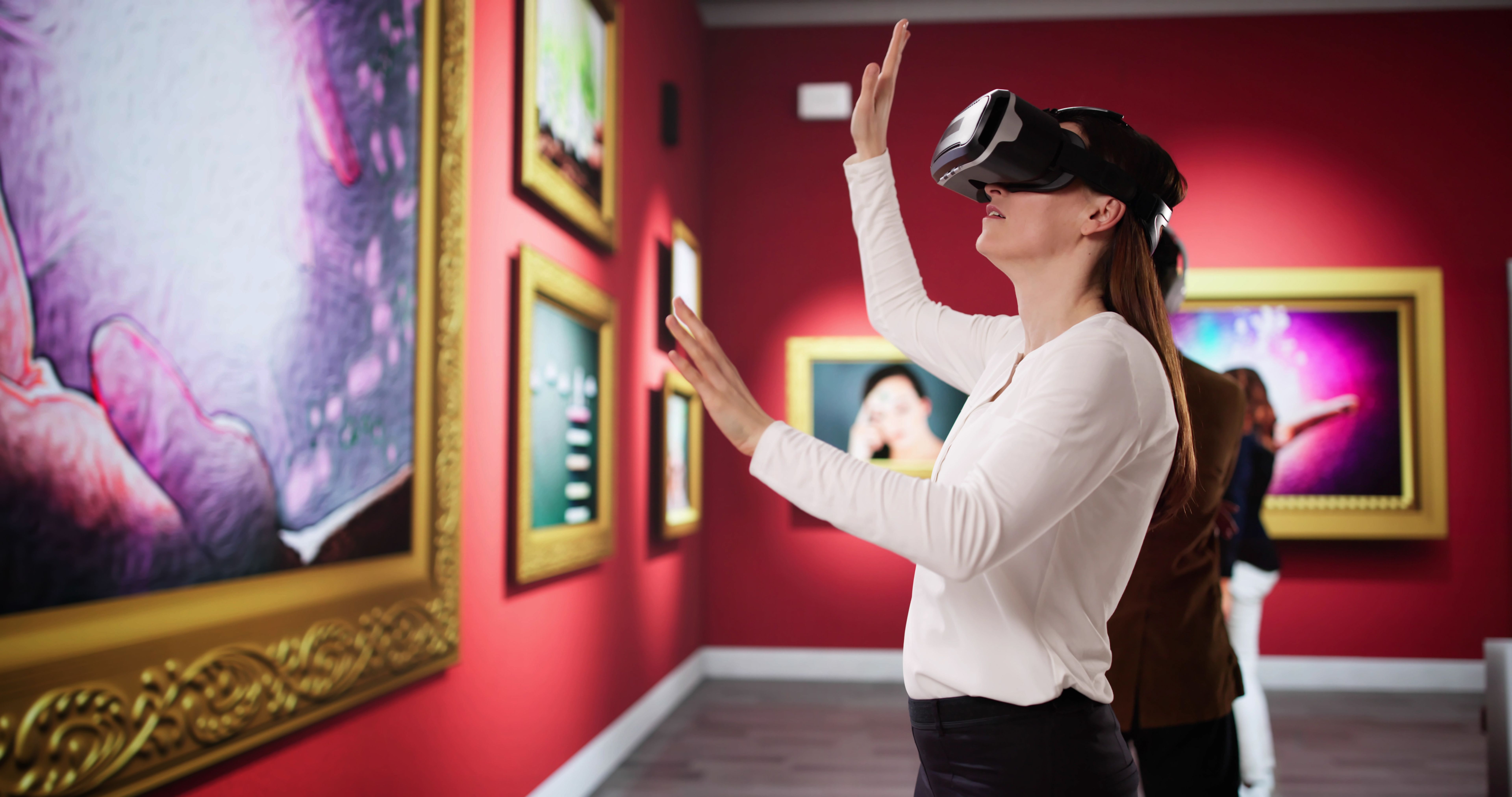
One of the standout features of 'Legacy Art' is its use of gesture-based controls. Players can interact with the game through natural hand movements, making the experience intuitive and engaging. This technology is powered by sophisticated sensors that detect and interpret gestures with high accuracy, allowing for a fluid and responsive gameplay experience.
Another innovative feature is the game’s social integration. 'Legacy Art' encourages collaboration and competition among players by enabling them to share their creations and challenge each other in real-time. This social aspect is amplified by AR, as players can view and interact with each other's works in a shared virtual space.

The Impact of AR/MR/XR on the Gaming Industry
The success of 'Legacy Art' highlights the transformative potential of AR in the gaming industry. By offering players a more immersive and interactive experience, AR games are attracting a broader audience and redefining what is possible within the medium. The technology is pushing the boundaries of creativity and engagement, paving the way for a new era of gaming.
As AR technology continues to advance, we can expect even more innovative applications in gaming. Developers are constantly exploring new possibilities, from integrating AI-driven characters to creating expansive AR worlds that go beyond the confines of traditional gaming environments.
The Future of AR/MR/XR Gaming
Looking ahead, the future of AR gaming is incredibly promising. With rapid advancements in hardware and software, the capabilities of AR games are expanding at an unprecedented rate. This progress is not only enhancing existing games but also inspiring the creation of entirely new genres and experiences.
In conclusion, the technology behind 'Legacy Art' exemplifies the potential of AR gaming. By seamlessly blending the digital and real worlds, it offers players an unparalleled level of immersion and interaction. As the industry continues to evolve, AR will undoubtedly play a pivotal role in shaping the future of gaming.